Zhu Yiyong and the Realm of His Heart
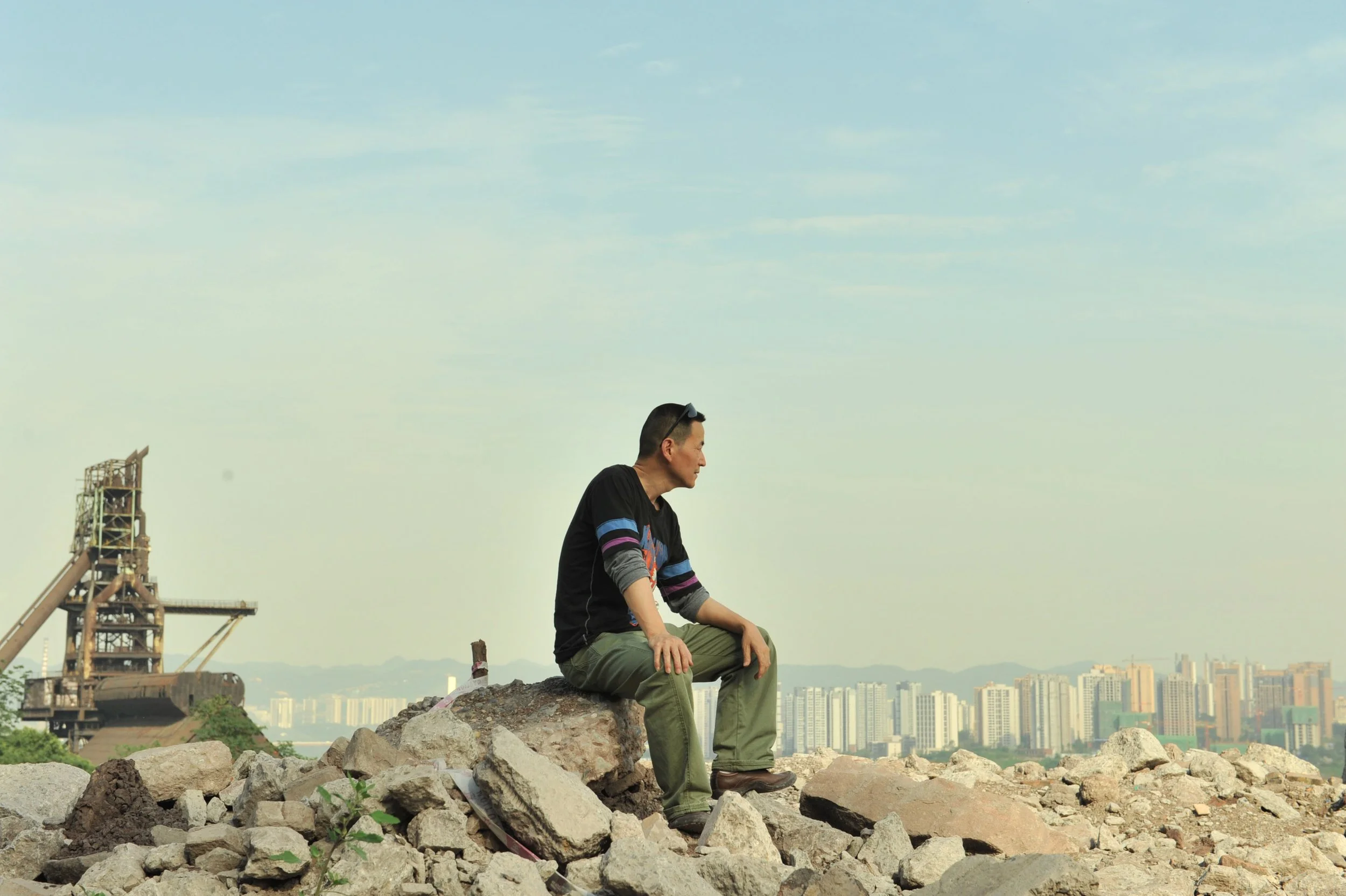
Born in Chongqing, Sichuan in 1957, Zhu Yiyong graduated from the Sichuan Fine Arts Institute in the 1980s, where he now teaches. In the early years of his career, Zhu received critical attention for his paintings including “Village Inn”, “Morning”, and “Father and Son”. Hailed as one of the leading figures in “Rustic Realistic painting”, Zhu has always held fast to his passion for art, as he constantly challenges and transcends himself. In recent years, his series “Memories of China” has earned widespread critical and popular acclaim. As contemporary Chinese art accelerates, many stars of the contemporary Chinese art scene have been lost to the halos of hefty prices, status and applause, while their artistic creation is hindered by market considerations. Zhu remains steadfast in his quest for originality, exploration and experimentation in art, infusing his life experience into social reality to create artworks that are close echoes of our time.
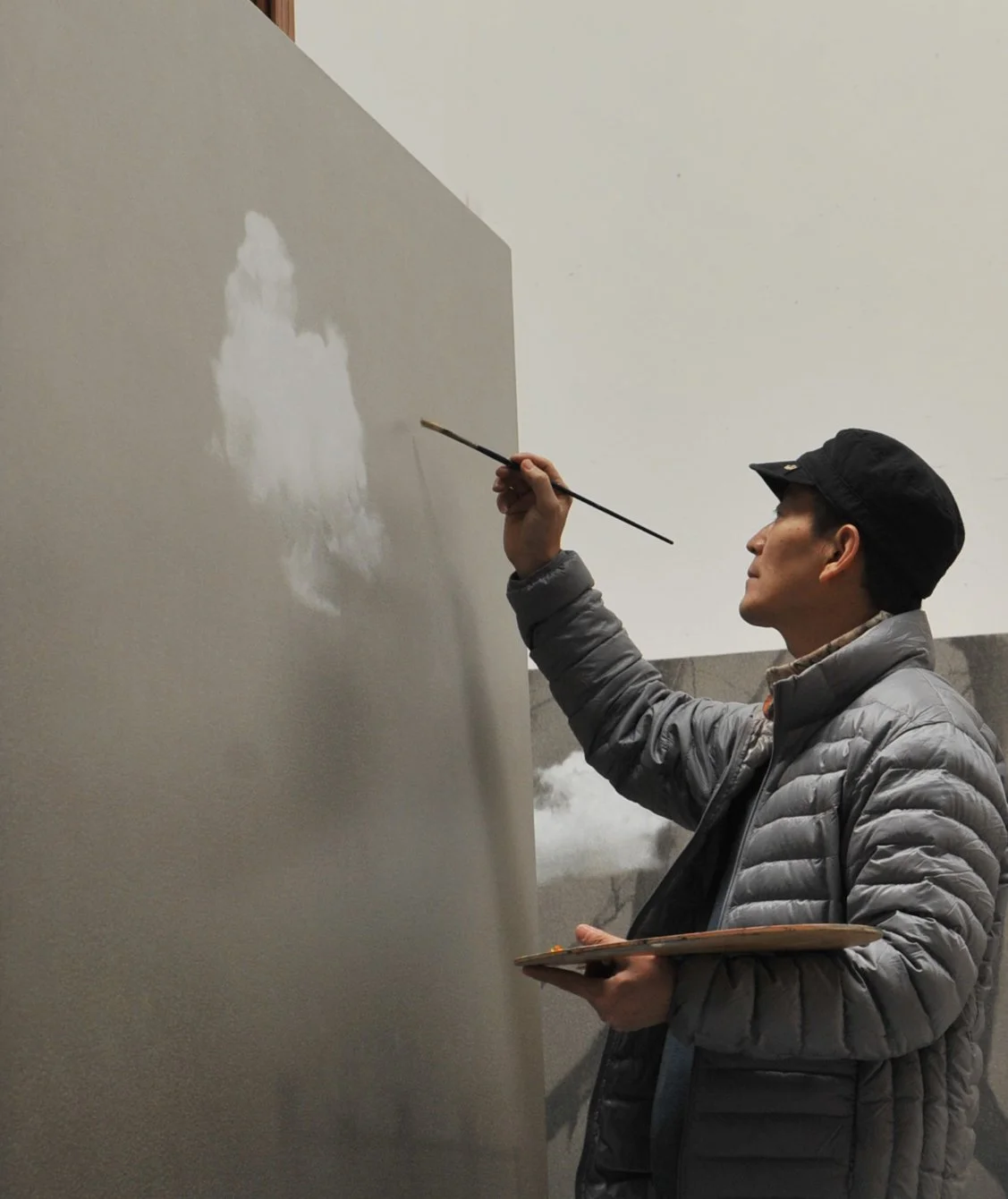
After going through an illness in 2008, Zhu came to grasp the unprecedented sense of crisis of human existence that has been brought on by the destruction of natural world. This sense of crisis drove Zhu to shift his focus from expressing the humanistic claim in portrait to demonstrating his concern for nature in painting. This does not mean that the artist simply switched to landscape painting. As Zhu remarked, he had shifted his focus to nature so as to gain a deeper experience of the environment of today's society. In 2011, the artist began to formulate his thoughts on the impact of social changes in China on our living environment, including factors like economic development, urban sprawl, and overpopulation. After two years of extensive experimentation, as well as collection and research of data, Zhu embarked on a new series of work in 2013. This creation stemmed from the artist’s true feelings, as it started from his observation of and reflection on our society. The subjects originated from our familiar daily surroundings: the bustling city, the traffic jams, and the cluster of skyscrapers. The artist did not simply record the physical environment, but gave artistic treatment to this evolving environment. With his unique and delicate brushstrokes, Zhu rendered a truthful depiction of the real living environment in urban Chinese cities, all of which have been struck by over-pollution. To delineate dust in its realistic touches, the artist conducted considerable research and experimentation over an extended period of time. In the end he arrived at the method of painting an extremely thin layer of paint flatly over a completed composition. Before the paint dried, the “dotting” technique was employed to create layers of colours, resulting in the grainy texture of dust. The use of top light, back light and kicker light effects also adds to the highly refined and textured composition.
The artist named this series “The Realm of the Heart”. The realm of the heart may be interpreted literally as an emotional state; in Buddhism, it is understood as consciousness, the pure heart. The realm of the heart is a delicate and peaceful emotional state that lasts over a long time. It stems from one's life experience, as it is a state of living. In the same vein as Zhu's previous works, the paintings from “The Realm of the Heart” feature meticulous compositions, in which the landscapes of different cities are delicately and precisely depicted from different perspectives. The three most common basic colours, black, white and grey set the solemn, untainted and strong emotional tone of these images. A symbol of one's spiritual quest and the primal, beautiful hope, the clouds hover above the dusty cities. The artist used an extremely pure white to portray the unpolluted clouds in his memory and to accentuate the theme. In the paintings, the pure white clouds and the grey, dust-filled sky make a sharp visual contrast, which cultivates a sense of surreal displacement. The fictitious clouds are a mirage in the actual and realistic environment. Helpless or numb, the crowds throng through each crammed and noisy corner of the city, breathing the dust-filled air. The images convey an inescapable sense of oppression and suffocation, which challenges the vision of the viewers and stirs in them an emotional resonance.
While Zhu possesses an outstanding ability to convey his experience and emotion seamlessly, he does not stay within the confines of his craft; rather, he instills his concepts into art in rational manners. His artworks reflect today's ecological issues, and a deep concern for the complex relationship between human and the deteriorating environment. Human progress leads to desire, while endless desire drives unrestrained disruption of the natural environment. The disrupted ecology threatens severe impacts and restrictions on the human existence. The environmental crises faced by humans are as terrifying as what is portrayed by the artist. Excessive urban sprawl has become a key marker of the destruction of ecology, as it changes the way of living and the state of existence of humanity. The grey, gloomy sky and the clouds, which were once pure, make a contrasting combination; the two conflicting symbols are put together in the image. The clouds, which belong to the blue sky, are an illusion in this physical environment. The clouds symbolize humanity decrying the destruction of nature (grey sky), and the hope for a harmonious co-existence of humanity and nature. The artworks relay the artist's remorse over the devastation of nature and the universal values he advocates.
Zhu stays true to his personal experience, while he observes the physical environment of the society he finds himself in. Through his rich imagination and pursuit of the truth, Zhu instills avant-garde concepts into his exquisite works to critique the economic growth and urban sprawl of today's Chinese society, which has thrived at the expense of the natural environment. The artworks present a shrewd grasp of the conflicts in politics, economy, culture, and ideology in today's China. The longing for the homeland of one's soul is illustrated in the unison of tangible and metaphoric representations, as the artworks inspire the public to re-examine and reflect on the reality of our society. Such realm of the artist's heart embodies the social responsibility and the sense of mission of a mature artist. And such is the temperament an outstanding artist should possess.
Kelvin Yang
August 2014
朱毅勇與他的心境
一九八二年毕业并留校任教四川美院的朱毅勇1957年出生于四川重庆。早年就以《乡村小店》、《晨》、《父与子》等优秀作品备受关注。作为“鄉土繪畫”重要代表人物之一,朱毅勇一直紧守自己内心对艺术的热忱,不断地挑战及超越自己,其近年之《中国记忆》系列作品更是得到了广泛认可。当中国当代艺术高速发展,大批中国当代明星艺术家迷失在天价、身份、掌声等光环之下、艺术创作被市场左右而停滞不前之时;朱毅勇依然秉着艺术的原创性、开拓性和实验性,将自身生活经验融入到社会现实,创作出与时代紧密关联的作品。
在2008年,朱毅勇在一次身體小變故下意識到自然環境破壞對人類生存所带来的前 所未有的危機感。這種焦慮的危機感促使他由原來透过肖像表达人文诉求的绘画轉到對自然環境的關注。但這並不是說他简单的走向了風景繪畫,而正如藝術家自己所說,他轉向環境的關注是為了更好的接近他深切感受的現實社會環境。於是,藝術家從2011年開始構思關於中國社會在經濟發展、城市擴張、人口過度密集等当下社會改變所造成的對生存環境影響的一系列想法。然后經過两年大量的實驗及對材料的收集与研究,後於2012年底正式開始了新的創作。创作從藝術家自己内心的真实感受出发,从藝術家對現實社會的观察和思考出发。作品素材來源於我們熟悉的日常現實生存環境;如喧囂鬧市、擁堵的交通情境、密集的高樓大廈等。藝術家並沒有簡單的記錄這些現實環境,而將正在發生的環境改變進行藝術處理,透過獨特而細膩的筆觸真實的描繪出中國現代城市中無一例外的被過度污染的真实生存环境。為了刻畫出塵埃的真實感,藝術家进行了长时间及非常大量的实验及研究。藝術家利用稀薄的油彩并采用多种堆积技法相互重叠以呈现尘埃的颗粒感,并透过不同光线處理以增加细微而富有层次变化的画面感。
艺术家将这一系列作品命名为《心境》。心境一词可简单解释为心情,但在佛语里面理解为意识,指清静之心。心境是一种细微、平静而持续长时间的情绪状态。它来源于个体的生活经验,是一种生活常态。這組《心境》作品有着艺术家一如既往極度嚴謹的構圖,背景中不同地点之城市景观透过各种不同的角度被细腻精准的刻画出来;以黑、白、灰三種最為常见的基本顏色定調以渲染嚴肅沉重、單純而強烈的情感。而表達精神訴求、象徵原始美好希望的符號--白云出现在满布灰尘的城市上空。艺术家用了极高純度的白色来描绘记忆中纯净的白云以强调和突显主题。画面中纯净自然的白云与满布尘粉的灰色天空形成极致強烈的視覺反差。這種強烈的視覺反差造成一種不真實的突兀感。被虛構出來的白雲在真實的現實環境裡产生海市蜃樓般的假象。人群无奈或麻木的穿梭在各个拥挤、喧嚣的城市角落,呼吸着满布粉尘颗粒的空气。一种阴郁得让人無法逃避的壓抑感、窒息感挑战着观者的眼球,成而與觀者形成心理同构並达到情感共鸣。
虽然艺术家所掌握的高超绘画技法足以顺畅的表达自己的体验和情感,但艺术家并没有因此而僅停留在技術層面,而是理性的将观念融入作品。作品直接反映了生态议题,关注人与自然日益恶化的复杂关系。人类的进步催生了欲望,无止境的欲望导致了无节制、毁灭性的破坏自然生态环境。而被破坏的生态又严重的影响和制约了人类的生存。人类面对的环境危机俨如艺术家刻画的一样让人触目心惊。过度的城市扩张成为了当下自然生态破坏的重要标志之一,这种过度的城市扩张改变了人类的生活方式及生存环境状态。画面中灰蒙蒙的天空及曾经纯净的白云,两者极其不协调的出现;两个自相矛盾的符号突兀的结合在一起。原本属于自然蓝天的白云却在真实构建的环境里成为了幻像。白云成为了人类对自然环境破坏(灰色天空)的直接诉控,象征着人类探求与自然平衡共處的美好希望。作品传递出艺术家对慘遭破坏的自然生态环境的惋惜之情及其極力宣扬的普世价值。
朱毅勇忠诚于自己的真实体验,对所處的社会现实环境敏锐观察;以其丰沛的想象力及探索真理的精神,透过其纯熟的绘画技巧融合前卫观念正面严肃地批判了当下中国社会以牺牲自然环境为基点的经济发展及城市扩张之现实。精准的扑捉到中国社会当下政治、经济、文化、思想的冲突与矛盾。以真实及隐喻相结合的方式寻求心灵故土的回归,并以此唤起公众对社会现实的重新关注及思考。他的这种心境,体现出了一个成熟艺术家的社会责任感和使命感。而這,恰恰就是一個優秀藝術家應該具備的素養。
楊永金
2014年8月于美国加州